

Gbyte Recovery
Free scan and selective preview of 25+ data types like messages, photos, and WhatsApp. No data overwritten — recover only what you need.
Table of contents

Smartphones now store more personal information than many laptops or desktop computers. They hold financial accounts, authentication apps, private conversations, cloud-synced files, health records, and sensitive work documents. For many people, losing a phone to theft feels like losing a digital version of themselves. The anxiety that follows often centers on two questions: How much of my information can thieves access? and Is there any safe way to recover data or secure my accounts after the device is gone?
As mobile devices become more advanced, so too do the risks surrounding them. Stolen phones are not simply about physical loss—they represent a significant exposure point in an interconnected world. More individuals are learning that the safety of a stolen phone depends less on luck and more on preparation, digital hygiene, and the layers of protection intentionally built into the device long before theft occurs.
This article examines what actually happens when a smartphone is stolen, what recovery methods are considered safe, and how personal habits influence the likelihood of protecting information after the device is lost or stolen.
Phones today collect a wide range of data that criminals may find valuable. The ease of unlocking a device—and the strength of the protections placed on it—play a major role in determining what information becomes accessible.
A stolen phone can expose:
Stored passwords
Banking and payment apps
Authentication tokens
Email access
Social media accounts
Personal photos and videos
Work-related correspondence
Location history
Cloud-connected documents
Without adequate protection, a stolen phone can give criminals a direct path into a person’s digital life.
This environment also intersects with broader cyber security concerns. A stolen device is not a standalone event; it serves as a doorway into various systems, networks, and platforms. Understanding the risks is the first step toward determining how much recovery is possible—and how much damage can be prevented.

Recovering data after a phone is stolen depends on three main factors:
The security posture of the device before theft
The response time once the loss is noticed
The recovery tools available through official channels
Modern devices rely heavily on cloud integration, meaning that much of a user’s digital life may already be stored elsewhere, detached from the physical phone. This introduces both opportunities and risks.
The ability to recover information safely depends on how well the phone was protected:
Strong passcodes and biometrics
Full-disk encryption
Authentication lockouts
Remote wipe capabilities
Limited app permissions
Up-to-date security patches
When these protections are in place, criminals face significantly greater difficulty accessing the device, thereby buying time for remote intervention.
The faster the rightful owner reacts, the narrower the window of exposure:
Contacting the carrier
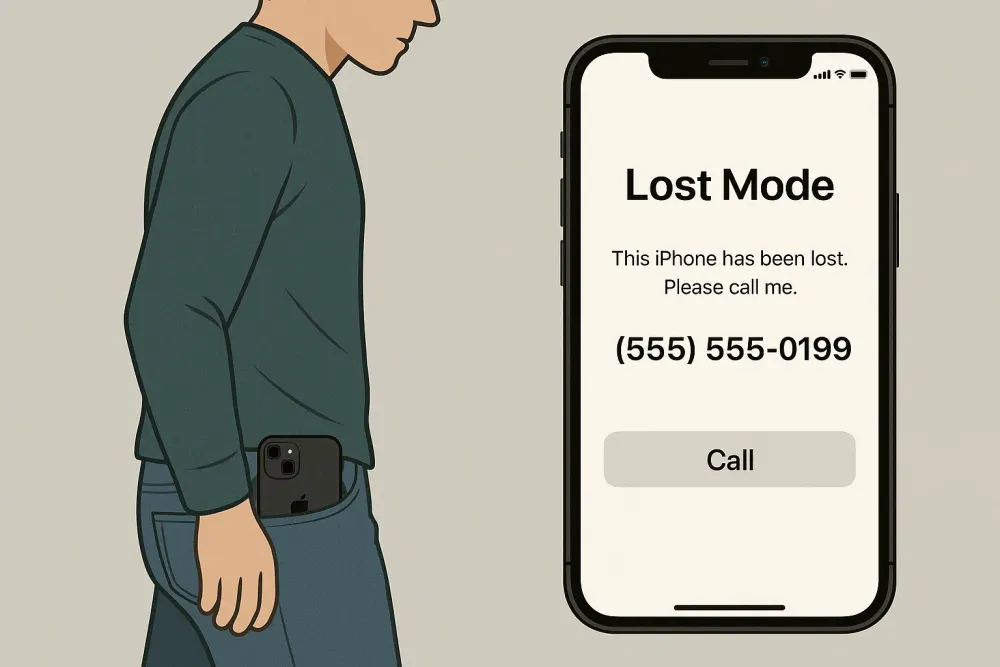
Activating “lost mode”
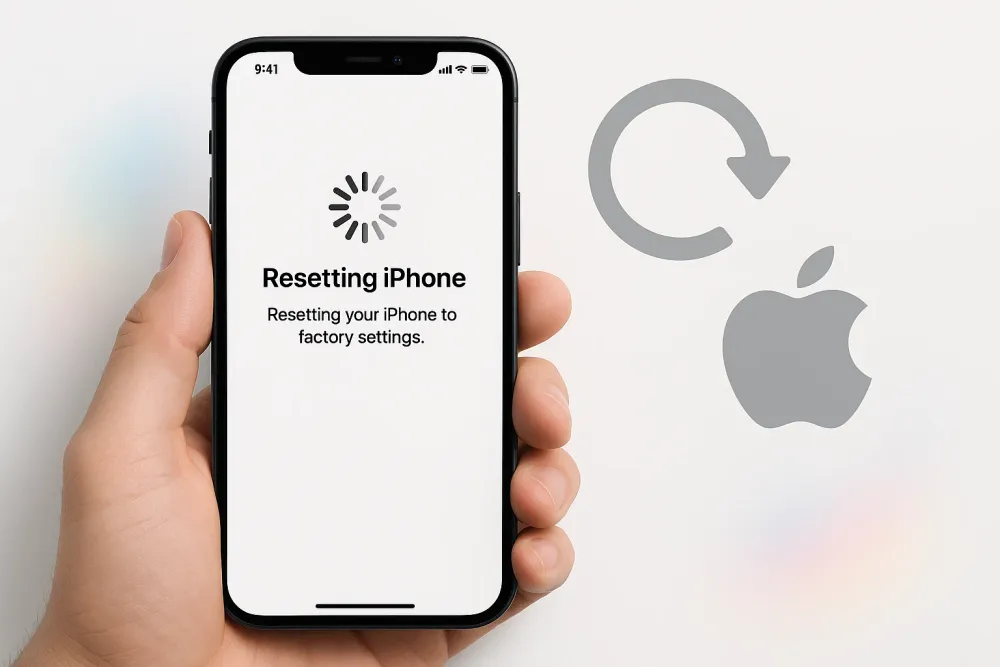
Initiating a remote wipe
Changing cloud account passwords
Revoking access for compromised apps
Swift action prevents thieves from exploiting connected services.
Safe recovery depends on cloud-based backups and manufacturer tools rather than third-party or underground services, which are often unsafe and can further compromise personal information.
Not all thieves pursue the same goals. The likelihood of data compromise or recovery is influenced by the thief’s intentions, which often fall into several categories:
Some thieves take what they can get—reselling the device quickly without trying to break into accounts.
These individuals attempt to access financial apps or authentication tools.
Some criminals target personal data for fraudulent activity.
Phones may be broken down for parts, making data exposure less likely but eliminating the chance of physical recovery.
Understanding these behaviors helps clarify which safety measures matter most for protecting personal information. Security issues arise when devices are lost or stolen, making it crucial to have strong passwords and encryption to prevent unauthorized access to sensitive data. Additionally, enabling remote tracking and wiping features can help locate or erase the device in case of theft.
Not all recovery methods are safe. Individuals often panic after theft and may turn to questionable sources offering to “crack,” “track,” or “retrieve” stolen phones. These services typically create more risks than benefits.
Cloud account dashboards
Built-in device locator services
Remote lock and wipe functions
Carrier-assisted IMEI blocking
Accessing cloud-stored backup data
These methods rely on official tools and infrastructure designed with user protection in mind.
Unauthorized tracking apps
Third-party “phone recovery” services
Websites promising to unlock stolen devices
Any tool requiring personal login credentials to unverified platforms
These options often result in further compromise, sometimes permanently.
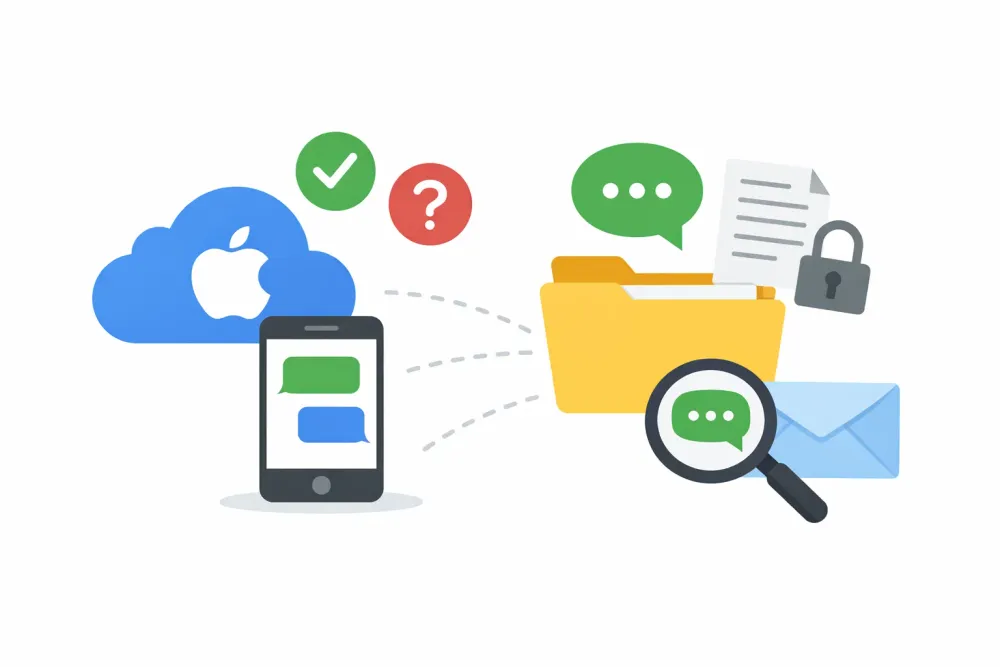
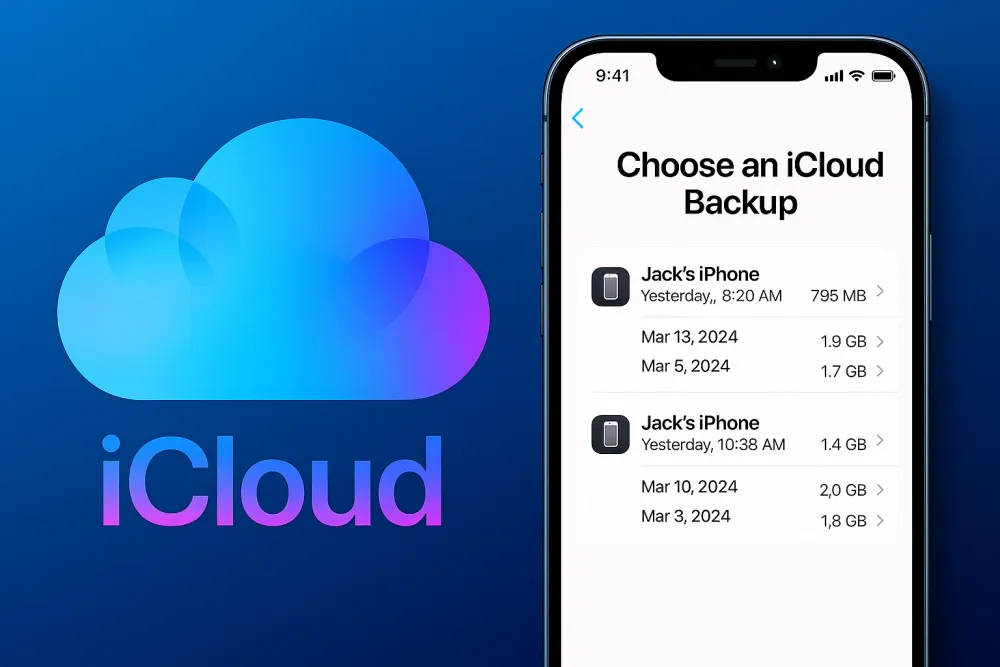
In many cases, safe data recovery takes place outside the stolen phone. Although the original device may be gone, the information remains accessible and secure elsewhere.
Cloud systems automatically store:
Photos and videos
Contact lists
Messages
App data
Notes
Password vaults (with additional authentication)
Files and documents
This process resembles device data restoration, where information from one device can be transferred to a new one without needing physical access to the stolen phone.
Because cloud ecosystems isolate data from the device itself, recovery is often safer through account access rather than device access.
Despite extensive cloud integration, some data may be impossible to recover:
Locally stored files that were never synced
App data is stored exclusively on the device
Offline downloads
Encrypted content without synchronized keys
If these items were not backed up, they cannot be restored safely in the event of theft. Attempting to recover them through unauthorized bypass techniques greatly increases the risk of further compromise.
A critical step in the aftermath of a stolen device is securing every account connected to it. Criminals gaining access to login tokens can cause more damage in minutes than the physical theft itself.
Safe post-theft procedures include:
Changing passwords on major accounts
Revoking access on all linked devices
Resetting multi-factor authentication keys
Reviewing login activity logs
Informing financial institutions
Notifying workplace IT teams if the device contains work applications
These measures help reestablish security even if the device itself is unrecoverable.
The global cybersecurity market size was estimated at USD 193.73 billion in 2024 and is expected to grow at a compound annual growth rate (CAGR) of 14.40%, increasing from USD 218.98 billion in 2025 to USD 562.77 billion by 2032.
No recovery method is more powerful than preparation. Many individuals only realize their exposure level after their device is stolen, often wishing they had taken more precautions earlier.
Strong digital hygiene includes:
Regular cloud backups
Strong authentication methods
Restrictive app permissions
Encryption
Updated operating systems
Separate work and personal profiles
These habits significantly limit damage when the unexpected occurs.
Phone theft reflects a broader truth about digital life: access to one device can create a cascade of compromise across connected systems. It highlights the relevance of personal responsibility in maintaining strong protections.
This also ties into discussions about the cyber security education value of learning how digital systems function. Understanding how authentication, encryption, and data syncing work helps individuals:
Respond more intelligently during emergencies
Evaluate recovery methods safely
Avoid dangerous third-party services
Strengthen data protection proactively
Recognize warning signs of further compromise
Education shifts the dynamic from fear to informed action.
With remote work becoming increasingly common, phone theft can sometimes expose organizational data as well. Even if the device belongs to the employee, once it contains work-related apps, files, or communication threads, it becomes a potential threat vector.
Organizations must create:
Remote wipe capabilities
Mobile device management policies
Security training
Multi-factor authentication requirements
Network access restrictions
These measures help mitigate the risks associated with stolen personal devices containing sensitive workplace information.
Many companies adopt mobile-friendly environments without building safeguards to support them. After a phone is stolen, employees may feel uncertain about what steps to take or who to notify.
Clear workplace guidelines help employees respond quickly:
A defined contact point for security incidents
Step-by-step instructions for reporting device theft
Automated access revocation processes
Clear distinctions between personal and work data
Guidelines for storing work documents on mobile devices
With structured support, employees can prevent small incidents from turning into large-scale breaches.
Different regions approach the risks of stolen devices differently. Some countries require carriers to disable stolen devices at the government's request, while others rely solely on manufacturer systems.
Global trends include:
Increased use of biometric authentication
Government-regulated IMEI blacklisting
Wider adoption of remote wipe tools
Growing public awareness of device security
Stronger collaboration between law enforcement and tech companies
These shifts demonstrate how digital safety increasingly relies on interconnected systems rather than relying solely on the device. Some issues, such as WhatsApp not displaying chat locks on certain devices, may still persist; however, the evolution of security measures is moving towards a more comprehensive and integrated approach to protect personal information and prevent unauthorized access. Additionally, as technology continues to advance, it is crucial for both individuals and organizations to stay informed and proactive in safeguarding their devices against potential threats.
Ethical concerns arise when individuals attempt to recover data by bypassing security features. Even if the device belongs to the rightful owner, unauthorized bypass attempts can violate terms of service, compromise personal information, or enable malicious actors.
Similarly, attempting to "track" thieves or recover stolen devices independently can lead to dangerous confrontations or legal complications.
Ethical recovery prioritizes:
Personal safety
Legally compliant tools
Protection of bystanders
Respect for system integrity
Understanding these boundaries helps individuals seek the safest path through an already stressful event.

Recovering information safely after a phone is stolen depends on preparation, strong digital hygiene, and appropriate use of official tools. While the device itself may be unrecoverable, cloud backups, remote access controls, and modern security protections often make it possible to restore important information without exposing personal data. By taking decisive steps promptly and avoiding unsafe recovery methods, individuals can mitigate the long-term impact of phone theft and enhance their overall digital resilience.
Gbyte Recovery
Don't wait until your data is gone forever! Try Gbyte iOS Recovery for free—scan first!
100% secure. Your data always stays private.
Share


Related articles


Subscribe Our Newsletter
For exclusive tutorials, product updates & phone tips, protect your data and prevent loss!
You can unsubscribe from our newsletter at any time by clicking the "Unsubscribe"link at the bottom of our emails.


Copyright @2026 Gbyte. All rights reserved.
The installation wizard will automatically start after downloading.
After registration, the recovery process can be managed through the web interface.
You get it all with your purchase - no locked features, no hidden limitations.